
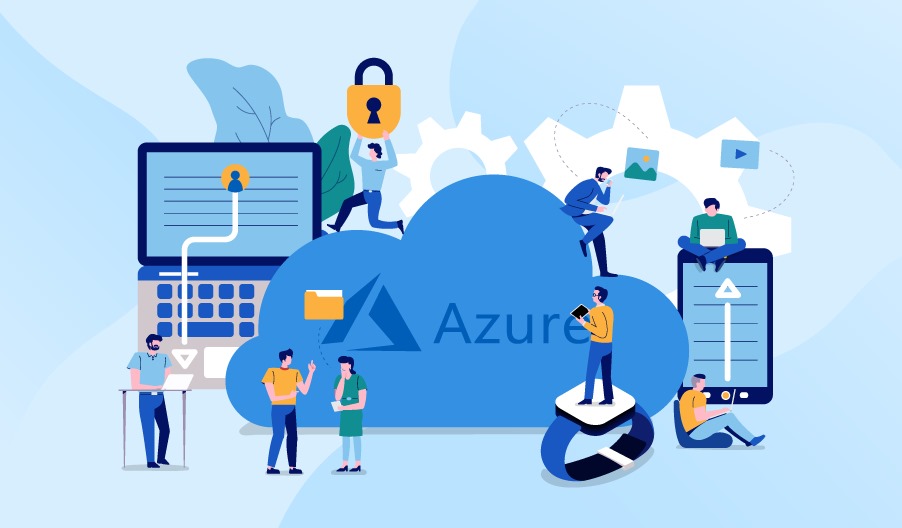

In today’s fast-changing digital world, cyber threats are becoming more complex, unpredictable, and harmful. As businesses move to cloud platforms, embrace remote work, and depend more on digital operations, the risk of attacks continues to increase. Looking ahead to 2026, companies need to recognize the new threats that could endanger their data, operations, and reputation.
Here are the top 10 cyber threats businesses must prepare for in 2026:
1. AI-Powered Cyberattacks
Cybercriminals now use artificial intelligence to automate attacks, analyze defenses, and exploit weaknesses more quickly. Attacks through AI-driven phishing, new forms of malware, and password cracking will grow significantly in 2026.
2. Ransomware 3.0

Ransomware attacks are changing beyond just file encryption. Now, attackers steal data, threaten to expose it, and demand double or triple the ransom. In 2026, ransomware groups may target backups, cloud storage, and supply chain partners.
3. Deepfake-Based Scams
As AI tools become common, deepfakes will be used to impersonate CEOs, employees, or vendors. This could lead to unauthorized payments or the theft of sensitive information.
4. Cloud Configuration Attacks
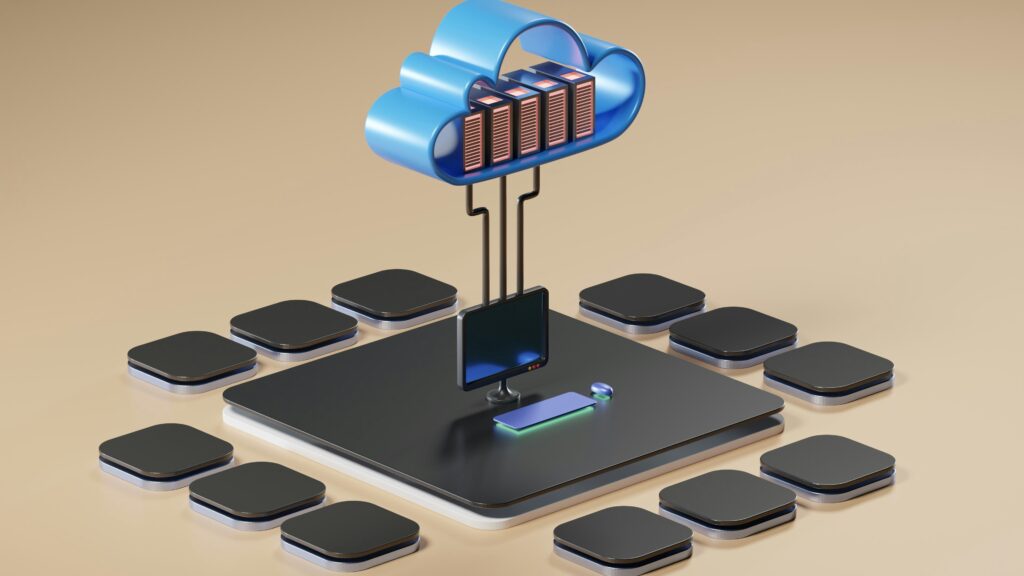
As companies shift to cloud platforms, misconfigured storage, weak API keys, and inadequate access controls will be exploited by attackers who are constantly scanning the web.
5. Remote Work Vulnerabilities
Unsecured home networks, outdated devices, and weak VPN policies remain easy targets for attackers going after hybrid workforces.
6. IoT Device Exploits
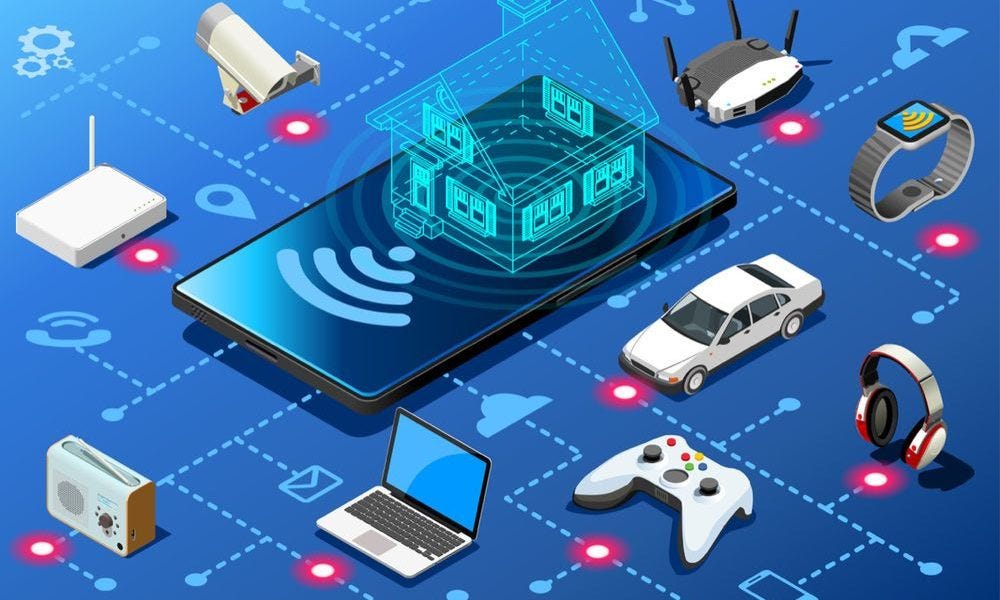
Smart office devices, security cameras, biometric systems, and sensors often lack strong security. They can become entry points for attackers into corporate networks.
7. Supply Chain Attacks
Hackers are now targeting vendors, software providers, and third-party tools to indirectly access organizations. This threat is expected to grow in 2026.
8. Zero-Day Exploits

Cybercriminals keep finding and using vulnerabilities before vendors can fix them. The number of zero-day attacks is expected to rise significantly.
9. Insider Threats
Whether intentional or accidental, employees are a major risk — from weak passwords to poorly handled data.
10. Social Engineering 2.0
Phishing is becoming more personalized. Attackers use social media, public information, and AI to create convincing messages that can bypass traditional filters.
How Businesses Can Prepare
– Invest in managed cybersecurity services
– Train employees regularly
– Implement multi-factor authentication (MFA)
– Use advanced threat detection tools
– Conduct routine vulnerability assessments
In 2026, businesses that view cybersecurity as an ongoing, strategic investment will thrive, rather than treating it as a one-time task.